

Market News · samer saeed · August 28, 2026
Qatar PM Urges Diplomatic Reset as U.S. Sanctions Persist, Strait of Hormuz Remains Closed
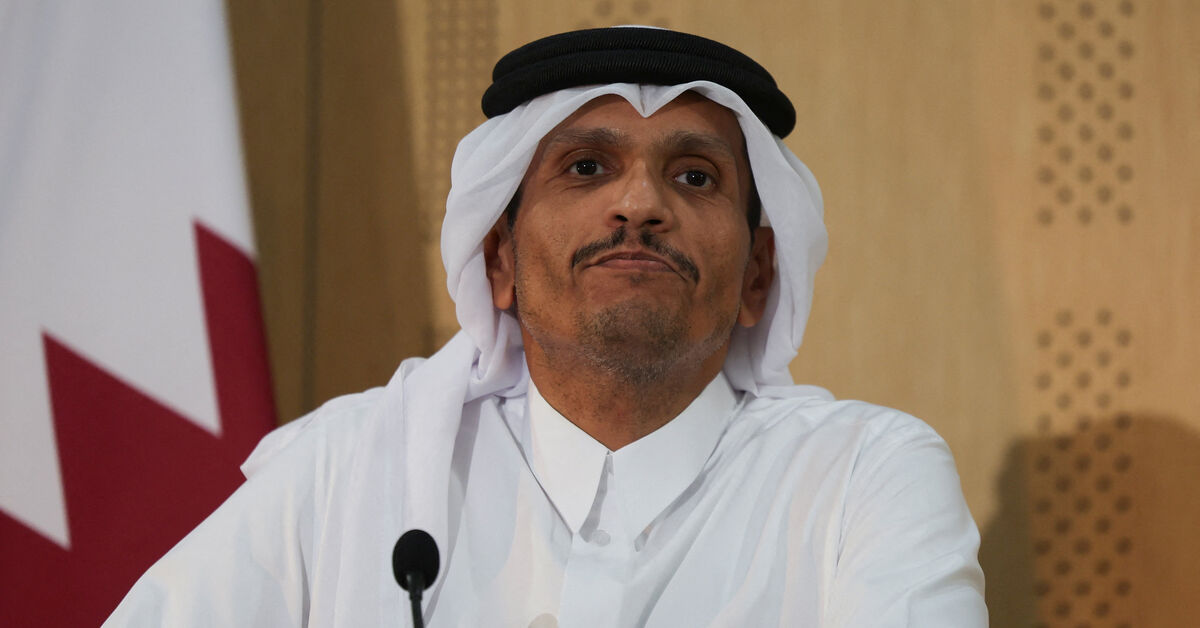
Qatar’s Prime Minister, Sheikh Mohammed bin Abdulrahman Al Thani, made a surprise visit to Tehran on Thursday in a bid to revive stalled talks that have been on hold for six months since the war’s outbreak. In Washington, President Donald Trump made it clear that the U.S. is not currently engaging Iran, and that the administration will continue its economic campaign until Tehran agrees to a meaningful negotiation.
Major combat operations have been on hold for several weeks, yet progress toward a broader peace deal or the reopening of the Strait of Hormuz – a vital artery through which roughly one‑fifth of the world’s energy supplies pass – has stalled. Six months after U.S. and Israeli forces struck Iran, killing its Supreme Leader and severely wounding his son, the Iranian regime remains in power, under heavy economic pressure, but shows little urgency to negotiate.
Facing domestic pressure over rising energy prices ahead of the November congressional elections, Trump has chosen to focus on sanctions. However, enforcing them more aggressively would likely require action against Iran’s trade partners, including China and India.
In Tehran, Al Thani met with Iran’s chief negotiator, Mohammad Baqer Qalibaf, urging a return to diplomacy. Iran, in turn, called on regional neighbors to prevent the United States from using their territory for military or economic attacks on Tehran, as Foreign Minister Abbas Araqchi warned on Telegram.
Mohsen Rezaei, secretary of Iran’s Supreme National Security Council, told the Qatari leader that Tehran would retaliate against U.S. military and economic interests if Washington engaged in what he described as "mischief". Rezaei also said that the U.S. must meet Iran’s conditions before the Strait could reopen. Those conditions include lifting the U.S. blockade on Iranian ports, providing compensation, and removing sanctions.
A June memorandum of understanding between Washington and Tehran collapsed in part over the future of the Strait. While Iran seeks to control the waterway and charge fees to approved vessels, the U.S. insists it must remain an open international passage.
Al Thani highlighted the importance of freedom of navigation on the Strait and discussed a proposal for a temporary joint Iranian‑Omani shipping corridor, as well as a joint mine‑clearing project. Iran’s Revolutionary Guards announced that Iran and Oman had agreed in principle to administer traffic and share revenues in the strait, although details are still being worked out.
Iran is compiling a list of conditions that must be met before the Strait of Hormuz can be reopened.